
Discover how to call out professionally using psychology-backed communication, clear boundaries, and AI-assisted message structure.
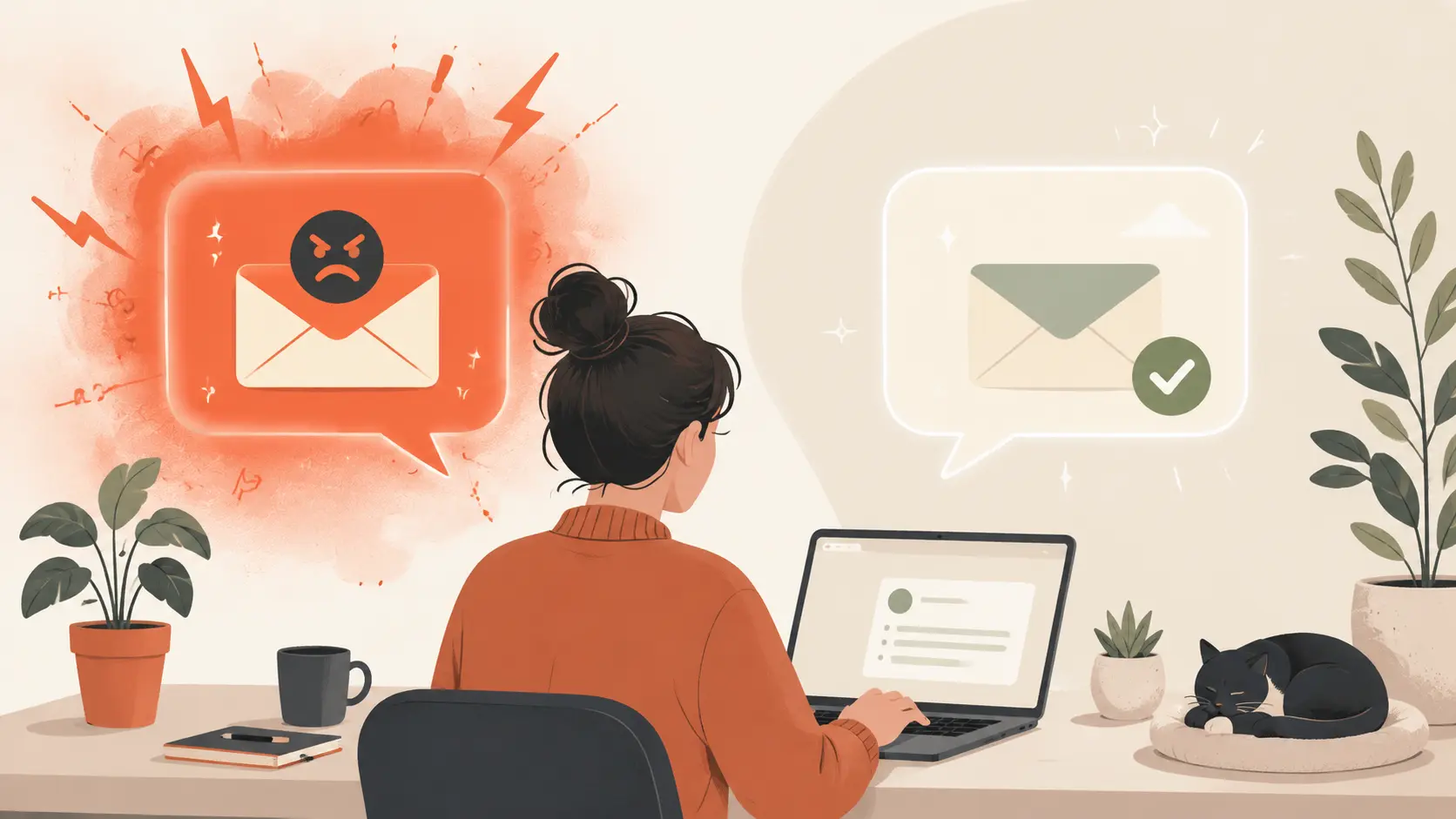
In an always-on work culture, professionals are expected to be reachable at all times. That pressure creates accountability guilt whenever life interrupts plans. The real challenge is not getting out of responsibilities. It is communicating constraints in a way that preserves trust, momentum, and professional reputation.
Why Professional Excuses Matter at Work
A professional excuse is not a story built for deception. It is a communication device for unexpected constraints. Strong teams do not judge occasional absence by emotion; they evaluate it through clarity, timeliness, and accountability.
When a manager receives a concise, credible update with a handoff plan, confidence remains high. When they receive a late message with excessive detail and no next step, trust erodes. The difference is structure.
The best excuse is not the most dramatic one. It is the one that protects trust while setting clear boundaries.
The Psychology Behind Believability
Colleagues naturally ask one question when commitments shift: "Was this controllable?" If the cause is perceived as external and reasonable, social standing stays intact. If it feels avoidable or inconsistent, reputational cost rises.
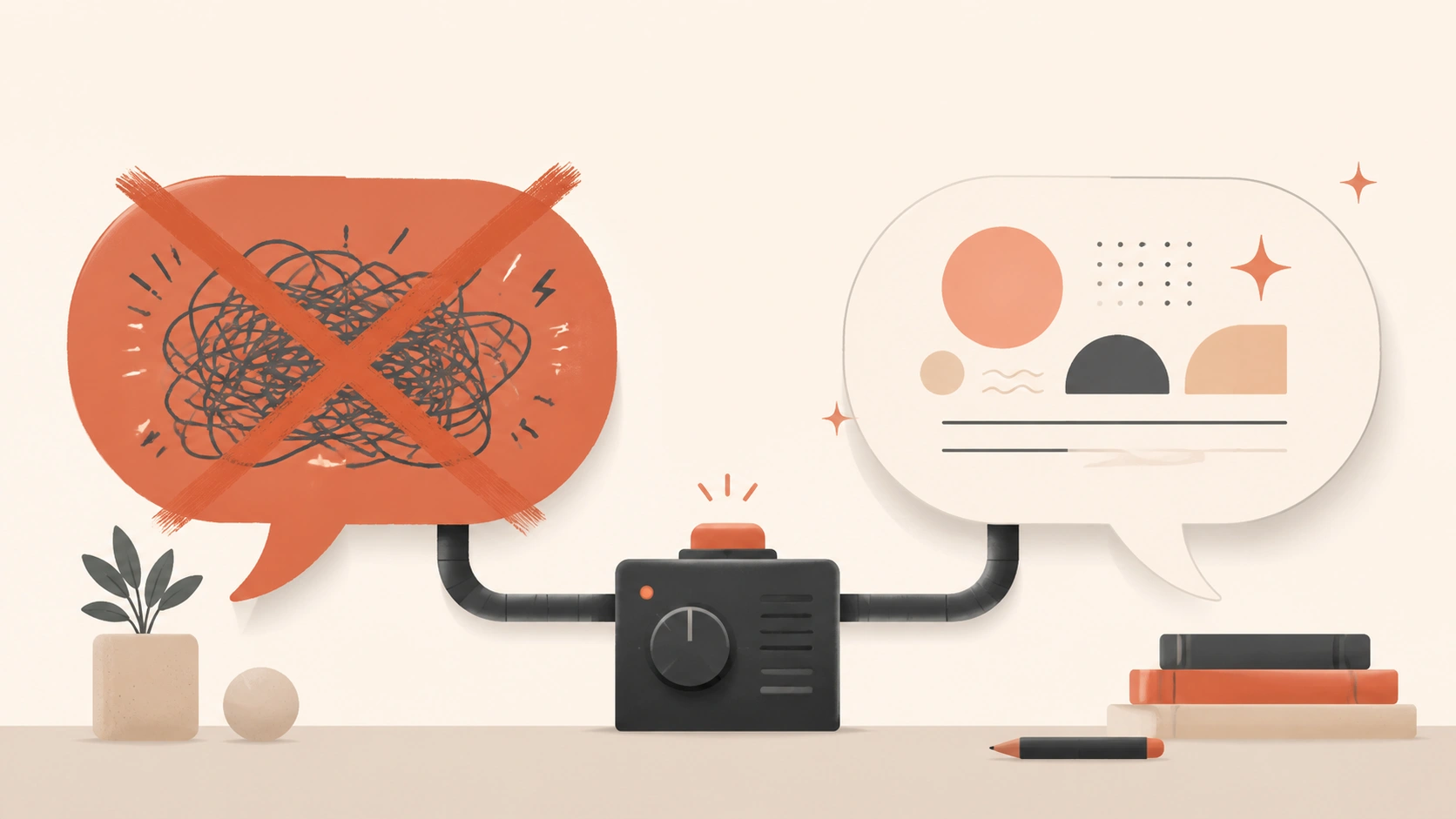
This is why over-explaining usually backfires. Long justifications increase cognitive noise. Brief, concrete language lowers friction and helps the receiver process your update quickly.
psychology The Over-Explanation Trap
Too many details can sound rehearsed. Give only essential context, then pivot to accountability and next steps.
How to Write a Professional Excuse in 3 Steps
- Acknowledge the commitment. Start by recognizing what you are missing.
- State the constraint clearly. Use one believable line, without unnecessary details.
- Pivot to accountability. Share what is covered, what is delayed, and when you will follow up.
mail Copy-Ready Message Template
Hi [Manager Name], I am dealing with an unexpected [brief constraint] and cannot join [meeting/shift] today. I have updated [task], shared notes with [teammate], and will check in by [time] with a status update.
Examples by Situation
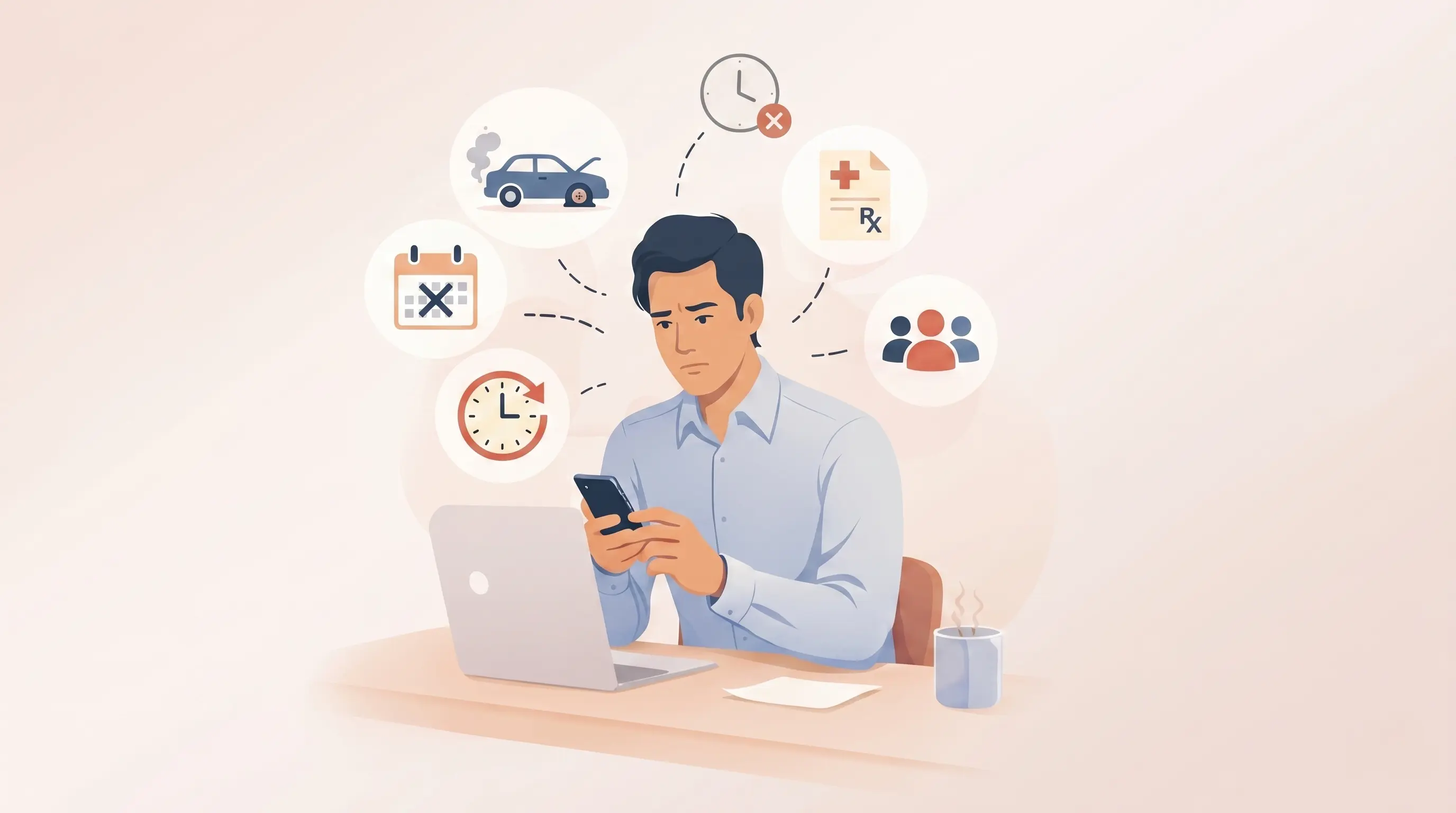
Health-related
- Use clear, low-drama language: "I am unwell and unable to work safely today."
- Add timing: "I will update you by 3 PM."
- Avoid medical oversharing unless policy requires documentation.
Family emergency
- Keep it direct: "I need to handle an urgent family matter this morning."
- Confirm continuity: "I delegated priority tickets to [name]."
- Set expectation for return or check-in time.
Work-from-home disruption
- Name the blocker: internet outage, hardware failure, or account lockout.
- State mitigation: hotspot attempt, IT ticket submitted, alternate workspace check.
- Offer a realistic next update window.
What to Avoid
- Sending updates after the start time without explanation.
- Using inconsistent reasons across messages or channels.
- Writing long emotional paragraphs without a coverage plan.
- Public social posts that contradict your stated constraint.
The New Standard of Accountability
Accountability is not perfect attendance. It is disciplined communication when plans change. Professionals who manage absence well protect both performance and relationships.
The architecture of accountability is simple: clarity, consistency, and follow-through. Master those, and the occasional absence stops being a liability and becomes a signal of mature professional judgment.
Need a polished excuse in seconds?
Generate a concise, manager-ready message based on your exact situation and tone. See how it works.
Frequently asked questions
What is a professional excuse for missing work?
A professional excuse is a concise, truthful or truth-adjacent explanation for an uncontrollable constraint, paired with a clear accountability plan.
How do I call out of work without sounding unreliable?
Notify early, keep details brief, and include coverage steps plus an exact follow-up time.
Can AI help write a better professional excuse?
Yes. AI can reduce emotional verbosity and produce a clean structure, but the final message should still reflect your real situation and company norms.
How much detail should I share with my manager?
Share only what is necessary for planning and trust. Protect personal privacy while being clear and consistent.