
Got a rude email? Reply professionally without stooping to their level - 12 copy-paste reply templates for rude colleagues, bosses, clients and passive-aggressive digs.
bolt Quick answer
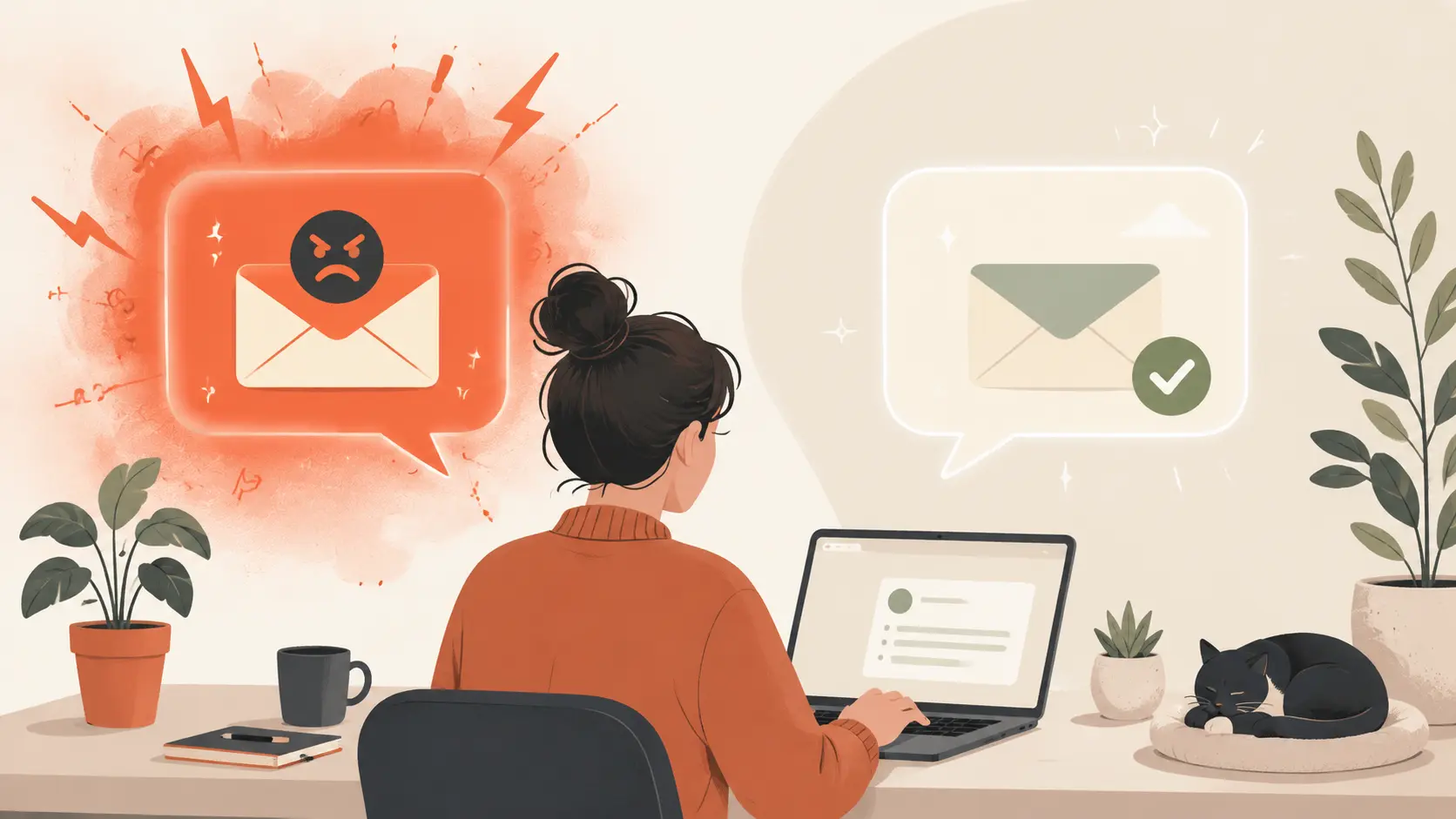
To respond to a rude email, don't reply while you're annoyed. Read it twice, find the one valid point or question underneath the tone, and answer only that - calmly, briefly, and with a clear next step. Keep it warm and factual, reply one-to-one even if they went wide, and save a copy if it crosses into abuse.
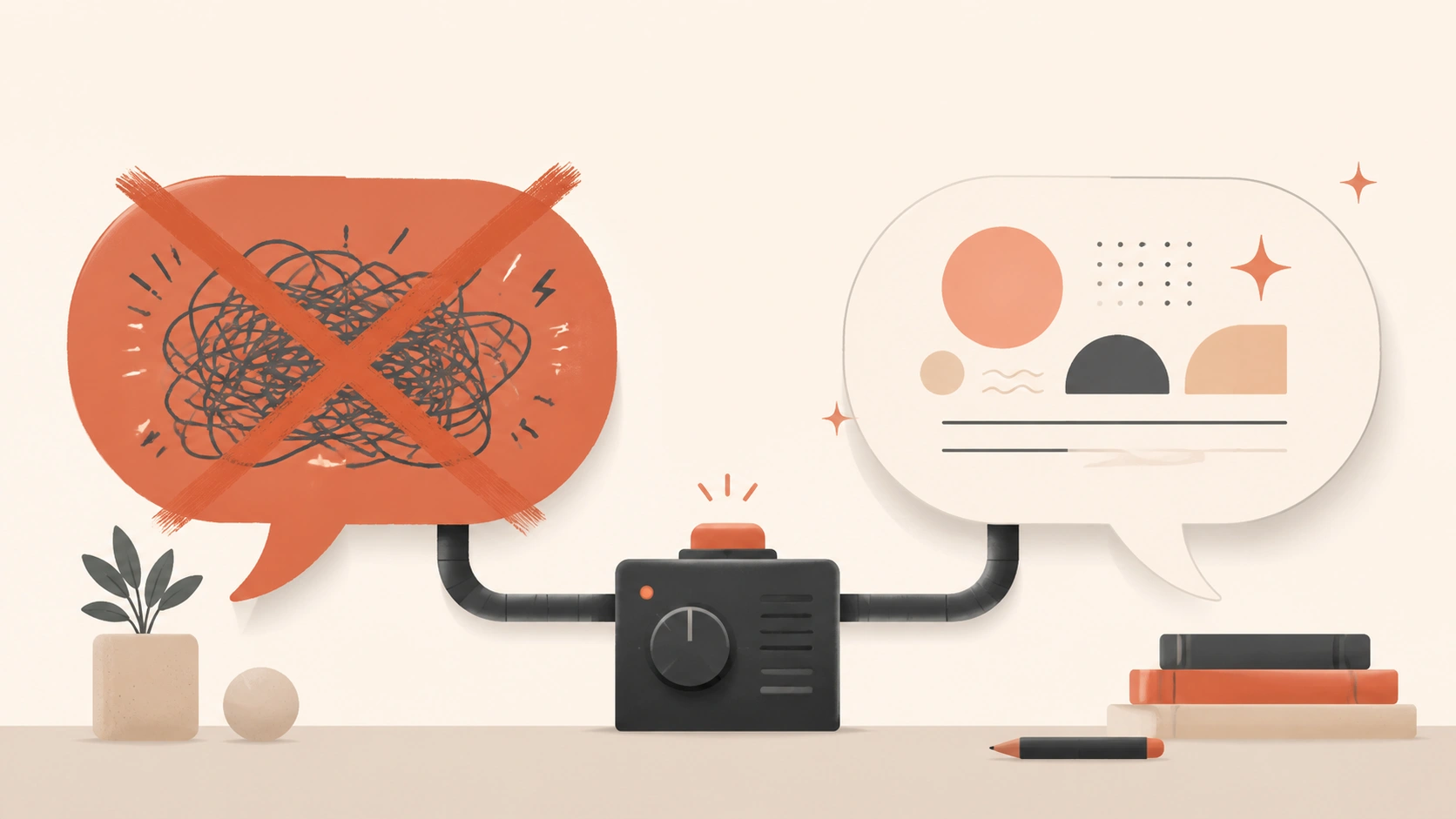
A rude email is a test with two possible answers: match their energy, or rise above it. The second one is almost always the move - not because you're a saint, but because the composed reply protects your time, your reputation, and the record. Below is the method, then 12 real rude emails with a copy-paste reply for each: rude colleagues, rude bosses, rude clients, and the passive-aggressive specials.
Worth remembering when your fingers are hovering over the keyboard: rudeness at work is common and it's costly. In research by Christine Porath and Christine Pearson, 98% of people reported experiencing incivility, and of those on the receiving end, 48% deliberately dialled down their effort and 94% wanted to get even. The urge to retaliate is normal; acting on it is what turns one rude email into a lasting problem. The goal here isn't fake warmth or letting things slide - it's replying in a way you won't regret being forwarded.
The method: what to do before you reply
Five steps that turn a heated reply into a clean one. Every template below is built on them.
- Don't reply hot. Write the furious draft if you must - in a blank document, not the reply box - then delete it and step away for a few minutes.
- Read it twice for the signal. Under the tone there's usually a real question or need. Separate the facts (deadlines, tasks, errors) from the feelings.
- Answer the facts, not the tone. Address the valid point and ignore the jab entirely. Not reacting to rudeness is its own quiet power move.
- Keep it short, warm and specific. One acknowledgement, one clear next step. Long, defensive replies read as rattled.
- Reply one-to-one, and document if needed. Even if they copied the world, take it to a direct thread. If it's abusive, save a copy before you respond.
Got the rude email open right now?
Paste it into the Email Reply Generator and get a calm, professional reply back in seconds - you choose how firm or warm it sounds.
When a colleague is rude
Peers test tone the most, because there's no hierarchy stopping them. Stay level, fix the facts, and quietly reset the standard.
When your boss or a senior is rude
You can't match their tone, but you can stay composed and specific. Confirm the ask, protect the quality, and keep a paper trail.
When a client or customer is rude
Here the goal is de-escalation, not being right. Acknowledge the feeling, then move straight to what you'll actually do.
When it's passive-aggressive or backhanded
The trick is to answer the surface politeness at face value, which defuses the dig without escalating it.
What not to do
- Don't reply within the hour if you're angry. Nothing good gets sent while your pulse is up. A short delay is invisible to them and decisive for you.
- Don't hit reply-all. Answering a public jab in public escalates it. Take it to one person and let the wider thread go quiet.
- Don't match the tone. Sarcasm and point-scoring feel great for a second and terrible in a forwarded screenshot.
- Don't over-apologise. One “sorry for the confusion” is plenty. Grovelling for something that wasn't your fault hands them the high ground.
- Don't go silent. Ignoring a legitimate question, even a rudely-worded one, just proves their point. Answer the substance.
When to escalate (or not reply at all)
Most rude emails deserve a calm reply and nothing more. But some cross a line - and knowing the difference protects you.
- Escalate if the message is abusive, discriminatory, threatening, or part of a pattern. Save a copy, keep your own reply factual, and loop in your manager or HR rather than handling it alone.
- Loop in a manager when the demand is unreasonable and repeated - let the decision about priorities sit with the person who owns them.
- Don't reply at all when a message is pure venting with no question or action in it. Silence is a complete response to bait.
Not sure how firm to be?
The Email Reply Generator drafts the reply for you - paste what they sent, pick the tone, and send something you'll stand behind.
For the calmer cousins of this problem, see the late reply & mental-health guides, or our guides on politely declining an email and how to professionally say (almost) anything.
Frequently asked questions
How do you respond to a rude email professionally?
Don't reply while you're annoyed. Read it twice, find the valid point under the tone, and answer only that - calmly, briefly, and with a clear next step. Keep it warm and factual, reply one-to-one even if they went wide, and save a copy if it turns abusive.
Should you reply to a rude email at all?
Usually yes, if there's a genuine question or action in it - ignoring the substance just proves their point. But if the message is pure venting with nothing to answer, silence is a complete response. Never feel obliged to engage with abuse; escalate instead.
How do you respond to a rude email without being rude back?
Answer the facts, not the tone. Acknowledge briefly, address the valid point, and skip the jab entirely - not reacting to rudeness is its own quiet power. A short, warm, specific reply reads as far more in control than a sarcastic one.
How do I respond to a rude email from my boss?
Stay composed and specific: confirm the ask, protect the quality, and give a clear next step or timeline. To "just do it" you might reply, "On it - are we prioritising [X] over [Y]? I'll proceed on that basis." Keep a record if it becomes a pattern.
How do you respond to a rude customer email?
Lead with de-escalation, not being right. Acknowledge the frustration in one line, then move straight to what you'll do and by when: "I'm sorry this has been frustrating - here's what I can do right now: [action]. I'll update you by [time]."
What should you not do when replying to a rude email?
Don't reply while angry, don't hit reply-all, don't match their tone, and don't over-apologise for something that wasn't your fault. Each one either escalates the situation or hands the other person the high ground.
When should you escalate a rude email to HR or a manager?
Escalate if a message is abusive, discriminatory, threatening, or part of a pattern. Save a copy, keep your own reply factual, and loop in your manager or HR rather than handling it alone. For a one-off unreasonable demand, letting your manager weigh in on priorities is often enough.